

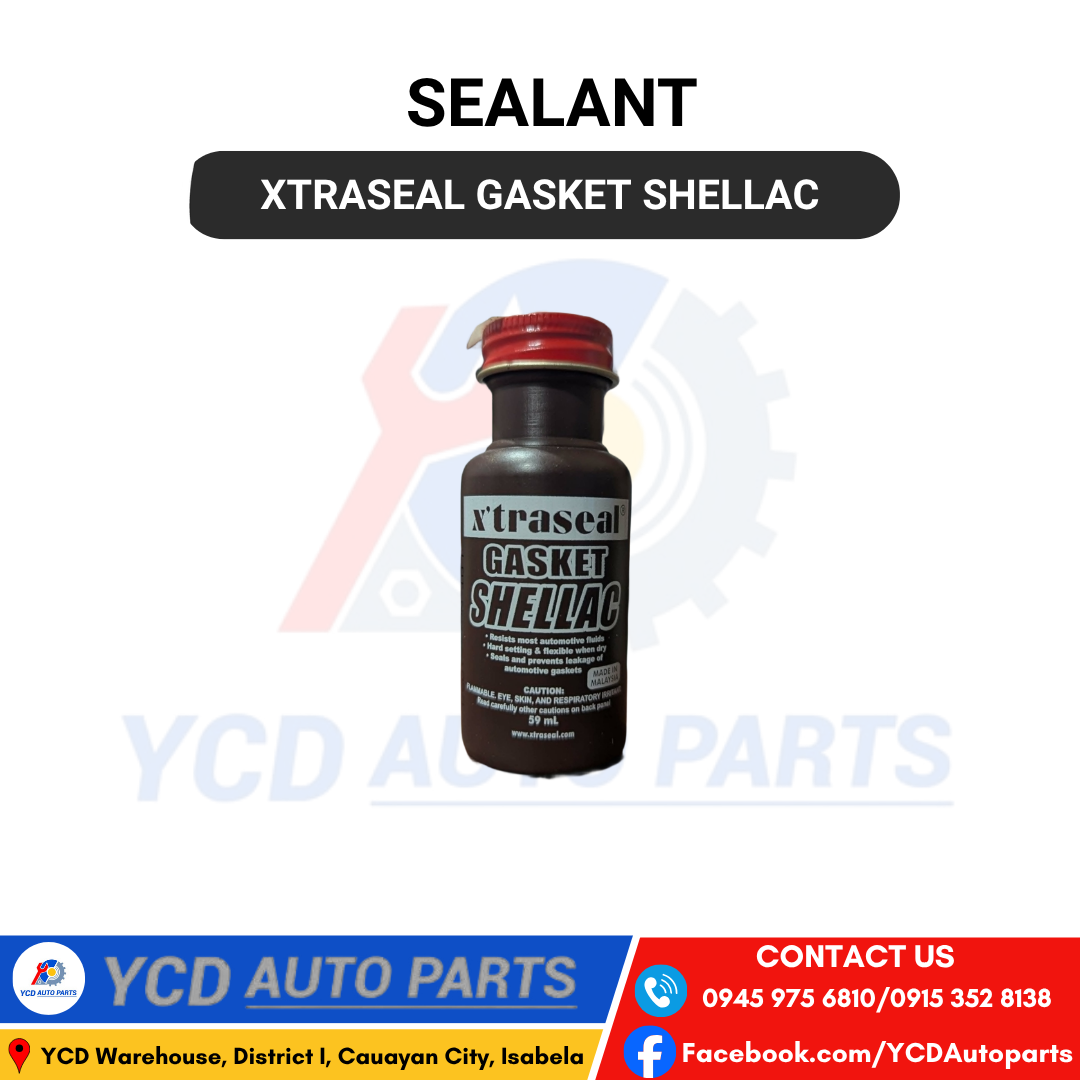
Description
Overview:
- Traditional Sealing Reliability: Xtraseal Gasket Shellac is a classic, slow-drying, hard-setting liquid compound specifically engineered to coat, seal, and repair existing gaskets or create reliable custom flanges.
- High-Pressure Mechanical Seal: Formulated to dry into a highly durable, rigid, yet thin film that effortlessly bridges micro-imperfections on metal joining surfaces, ensuring a completely leak-proof joint.
- Convenient Workshop Bottle: Packaged in an easy-to-use bottle featuring a built-in applicator brush, allowing for clean, uniform, and precise spreading without messy spills or wasted product.
Key Highlights:
- Outstanding Fluid and Chemical Defiance: Highly resistant to a wide array of automotive fluids, including gasoline, diesel fuel, kerosene, engine lubricants, transmission fluids, and water.
- Solid Heat Endurance: Maintains its absolute structural seal and chemical integrity under standard under-hood temperature variations up to 177°C (350°F).
- Secure Gasket Positioning: Acts as an excellent tacky adhesive during assembly, securely holding lightweight paper, cork, or composite gaskets perfectly in place while fasteners are torqued down.
- Anti-Corrosion Surface Barrier: Creates a thin, impervious chemical shield over bare metal mating surfaces, preventing oxidation, atmospheric rust, and chemical pitting between connections.
Vehicle and Industrial Applications:
- Low-Clearance Flanges and Fittings: Ideal for sealing hose connections, threaded metal fittings, plumbing joints, and low-clearance mechanical flanges where high pressure or fluids are present.
- Classic Engine Assemblies: Perfectly suited for sealing paper, cork, felt, or composite gaskets on water pumps, thermostat housings, oil pans, timing gear covers, and differential assemblies.
- Multi-Material Adaptability: Formulated to bond exceptionally well to all major automotive and industrial metals, including cast iron, steel, aluminum, brass, and copper.
- Application Guidance: Clean and dry all joining surfaces thoroughly before brushing on a thin, even layer. Allow the shellac to become slightly tacky to the touch before mating the two parts together.
Reviews
There are no reviews yet.